Understanding Unearned Revenue: Recognition, Reporting and Importance for Investors
 Gana Adhikar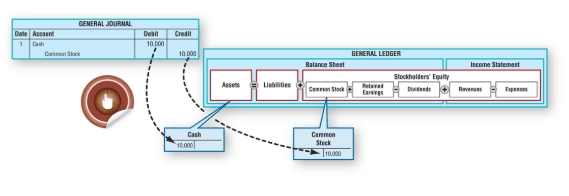
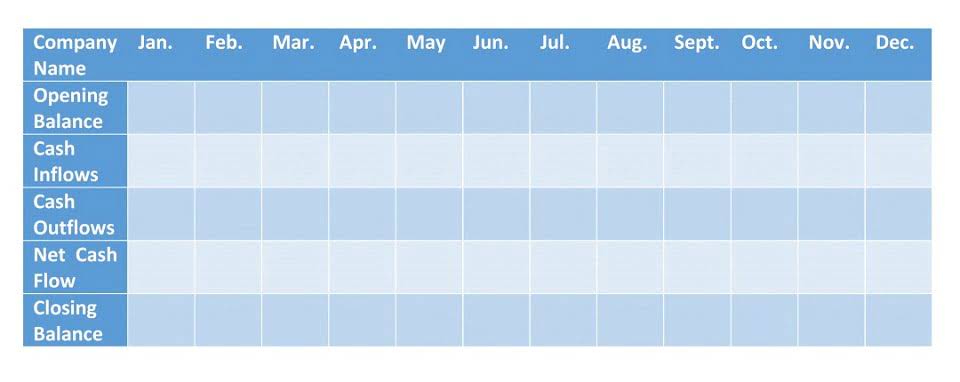
Dealing with deferred revenue is common, especially in industries where prepayments, subscription services, and retainers are the norm. This accounting treatment helps in keeping financial reporting accurate, while reflecting the business’s true obligations and commitments to customers. To properly account for deferred revenue, businesses must follow specific regulations and guidelines, ensuring that they are compliant with legal, tax, and reporting requirements. The unearned revenue amount at the end of the time period is reported on the balance sheet as a current liability named “deferred revenue”. The cash flows from unearned revenue are recorded on the cash flow statement as “deferred revenue,” “other cash from operations” or something similar.
Impact of Deferred Revenue on Financial Statements

Automating this process improves efficiency and accuracy, freeing finance teams to focus on analysis and strategic planning. Unearned unearned revenue is reported in the financial statements as revenue is an important concept for both business owners and investors. It reflects a company’s future obligations and helps assess financial stability.

How Much Cash Is on the Sidelines?
When businesses record their financial transactions, they must follow specific rules. One area that often confuses both new and seasoned business owners alike is the treatment of unearned revenue. Another unearned revenue example would be using a service, like web hosting services. If you pay for an annual subscription to a web-hosting plan, you’re only using the service a month at a time. For small businesses, especially those operating on thin margins, unearned revenue understanding the future revenue stream is crucial.

Example 1: Subscription services

Mastering deferred revenue management can be a strategic asset, helping businesses meet their financial obligations and position themselves for resilience and success in competitive markets. This ensures that the financial statements reflect real-time performance and comply with accounting principles such as matching and revenue recognition. Most unearned revenue is reported as a current liability, especially for services like annual subscriptions or advance bookings. As revenue is earned and recognized, it is recorded on the income statement, impacting the company’s reported income. Unearned revenue appears as a liability on the balance sheet, indicating the company’s obligation to deliver goods or services in the future. As the company delivers the goods or services, adjusting entries are made by debiting the unearned revenue account and crediting the revenue account, recognizing the earned revenue.
Revenue Recognition Principle
- To do this, the company debits the cash account and credits the unearned revenue account.
- Preparing adjusting entries is one of the most challenging (but important) topics for beginners.
- Unearned revenue is recorded on the income statement as a deferred income, which is a liability-like account.
- Non-current deferred revenue, conversely, represents the portion of the advance payment that will be earned beyond the next twelve months.
- Adopting these practices will promote financial stability and growth while maintaining customer satisfaction and trust.
Unearned Revenue as a Signal of Financial HealthBy examining a company’s unearned revenue on its balance sheet, investors can assess the financial health and stability of that business. A growing balance in https://jewdas.org/what-is-a-grn-goods-received-note-in-procurement/ unearned revenue indicates the company is generating consistent cash flow through recurring revenues or advance payments for services or products yet to be delivered. In the case of long-term liabilities (advance payments made 12 months or more after the payment date), unearned revenue is recorded as a long-term liability on the balance sheet. Unearned revenue, also known as deferred revenue or prepaid revenue, refers to the payments received by a company for goods or services that are yet to be delivered or provided. It is recorded as a liability on the company’s balance sheet because the company owes the delivery of the product or service to the customer. Examples of industries dealing with unearned revenue include Software as a Service (SaaS), subscription-based products, airline tickets, and advance payments for services.
- This additional cash can then be allocated to other areas such as paying off debts, investing in growth opportunities, or maintaining liquidity.
- For instance, consider a web hosting company that receives a payment of $1,200 in January for a year’s worth of hosting services.
- With the cash received in advance, a company may have the resources to invest in research and development, expand production capacity, or enter new markets, fostering business growth.
- Although the company receives payment, its obligation to deliver future goods or services justifies classifying it as a liability.
- By the end of January, one month of hosting has been provided, so the company would recognize $100 ($1,200/12 months) as earned revenue for January, reducing the unearned revenue liability accordingly.
- Unearned revenue is a critical concept for businesses, particularly those dealing with services or subscriptions that require advanced payments.
- As you deliver the service or fulfill each obligation, you gradually move amounts out of unearned revenue and into earned revenue.
- How Unearned Revenue Is Reported in Financial Statements A Clear Guide for BeginnersIn accounting, unearned revenue refers to money a company receives before delivering goods or services.
- The timing of revenue recognition can lead to significant variations in reported earnings, influencing investor perception and business decisions.
- Effective deferred revenue management allows companies to leverage upfront payments to boost cash flow while accurately reflecting obligations on the balance sheet.
It is recorded as a liability on the balance sheet because it reflects an obligation to the customer. This accounting treatment ensures that revenue is recognized in the period when the service is actually provided, adhering to the revenue recognition principle. When a company receives advance payments from customers, it records these payments as a liability rather than revenue. This is because the company has not yet fulfilled its obligation to deliver the goods or services.
About The Author

 Bondita Das